Sauntering Around Pennsylvania
Recently, I’ve been making an effort to visit the monasteries on the east coast, so when I was parousing St. Tikhon’s Orthodox Monastery’s bookstore and saw that they were offering a Lenten retreat I knew that was my opportunity to check it off my list. I also hadn’t been to Pennsylvania since I was a little kid, so I was very excited to travel through the state for my little vacation.
Driving right after work probably wasn’t the best idea, but I did it anyway! With traffic it was a roughly 6 hour drive (I even had time for a Dunks run!) I made it by around 8:30PM.
Day 1
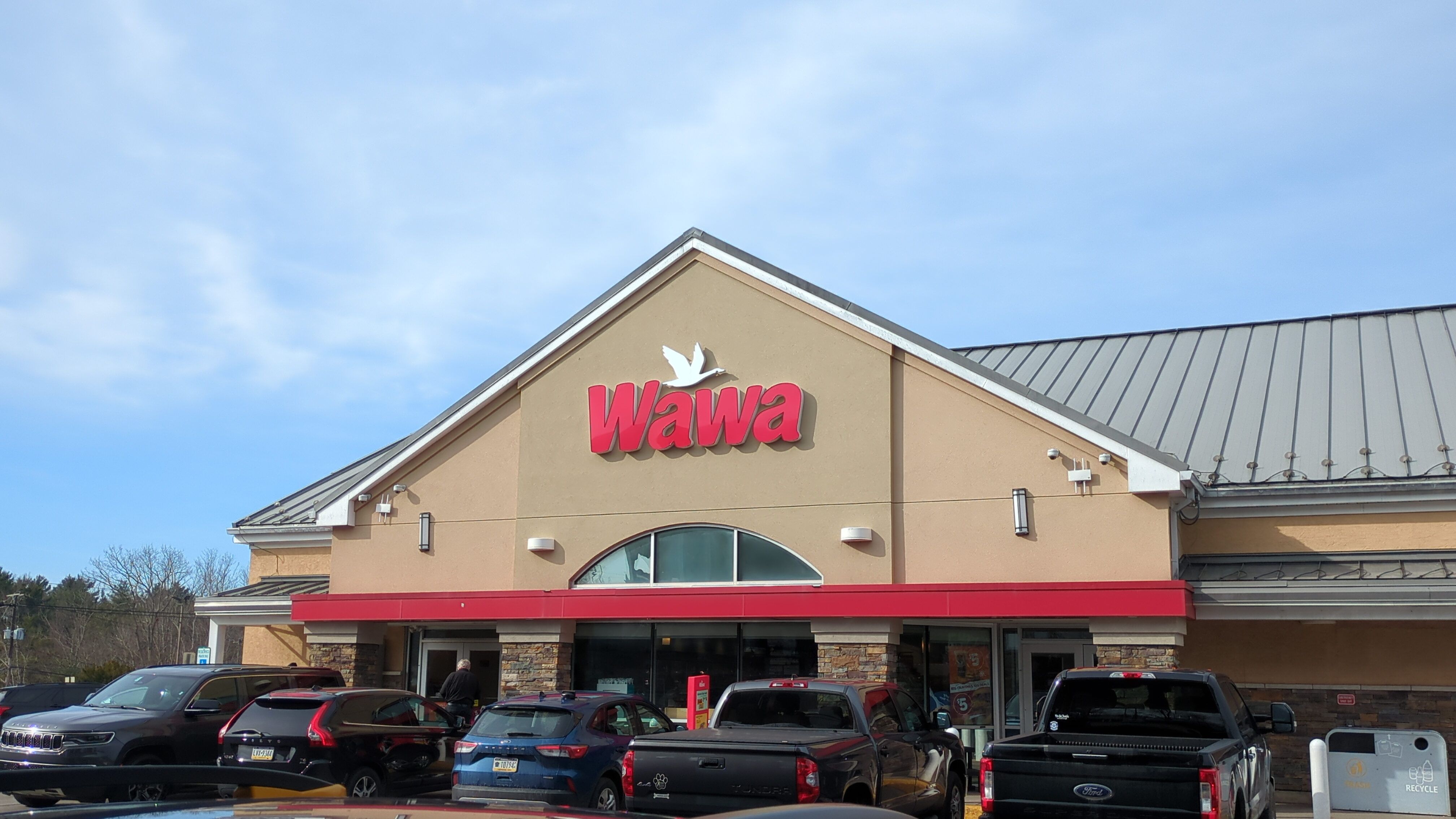
I started my day with an early workout and a good ‘ol Hilton breakfast. After raiding the local Wawa—seriously, why don’t we have these in New England?—I headed out for the remainder of my journey.
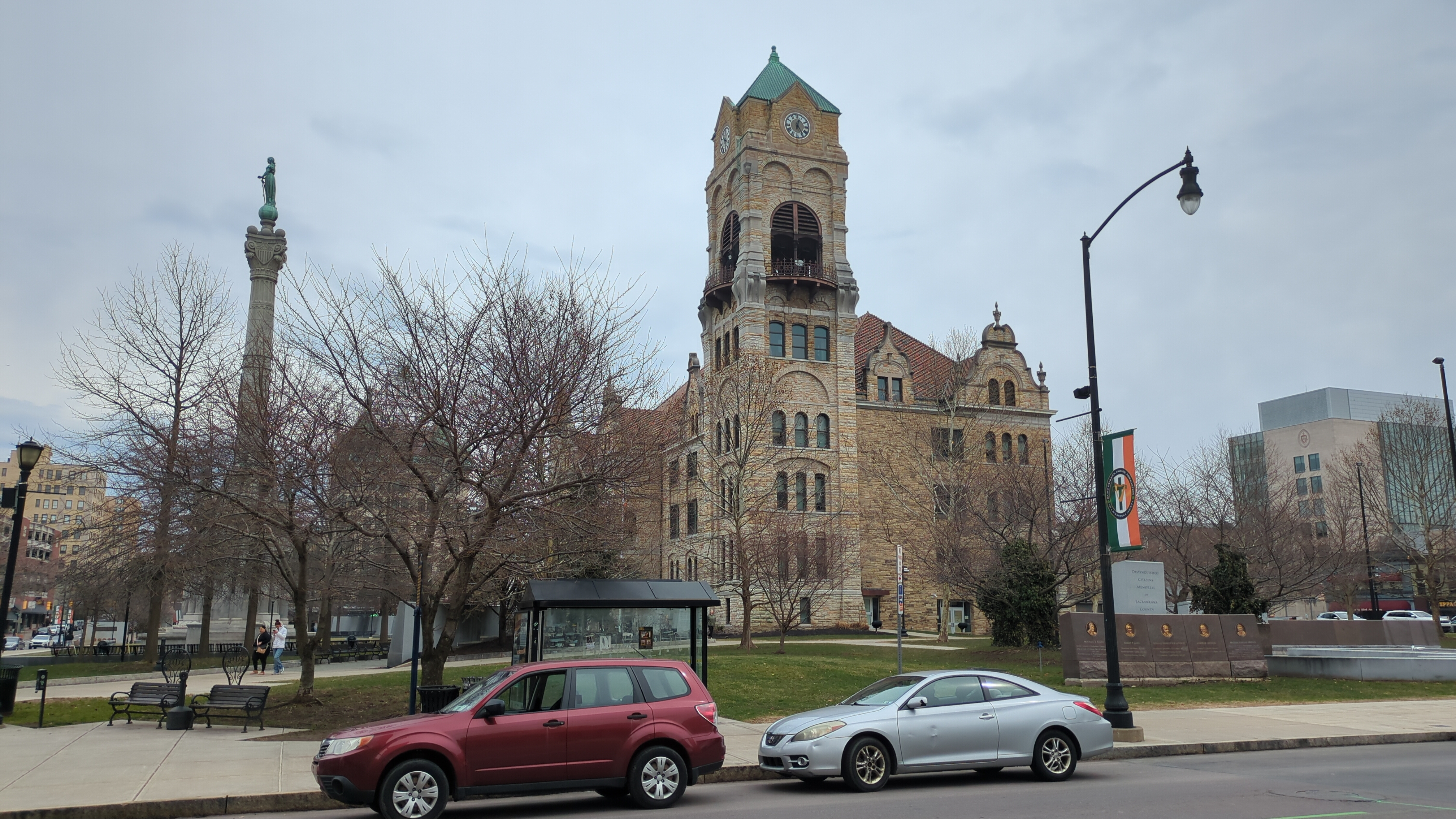
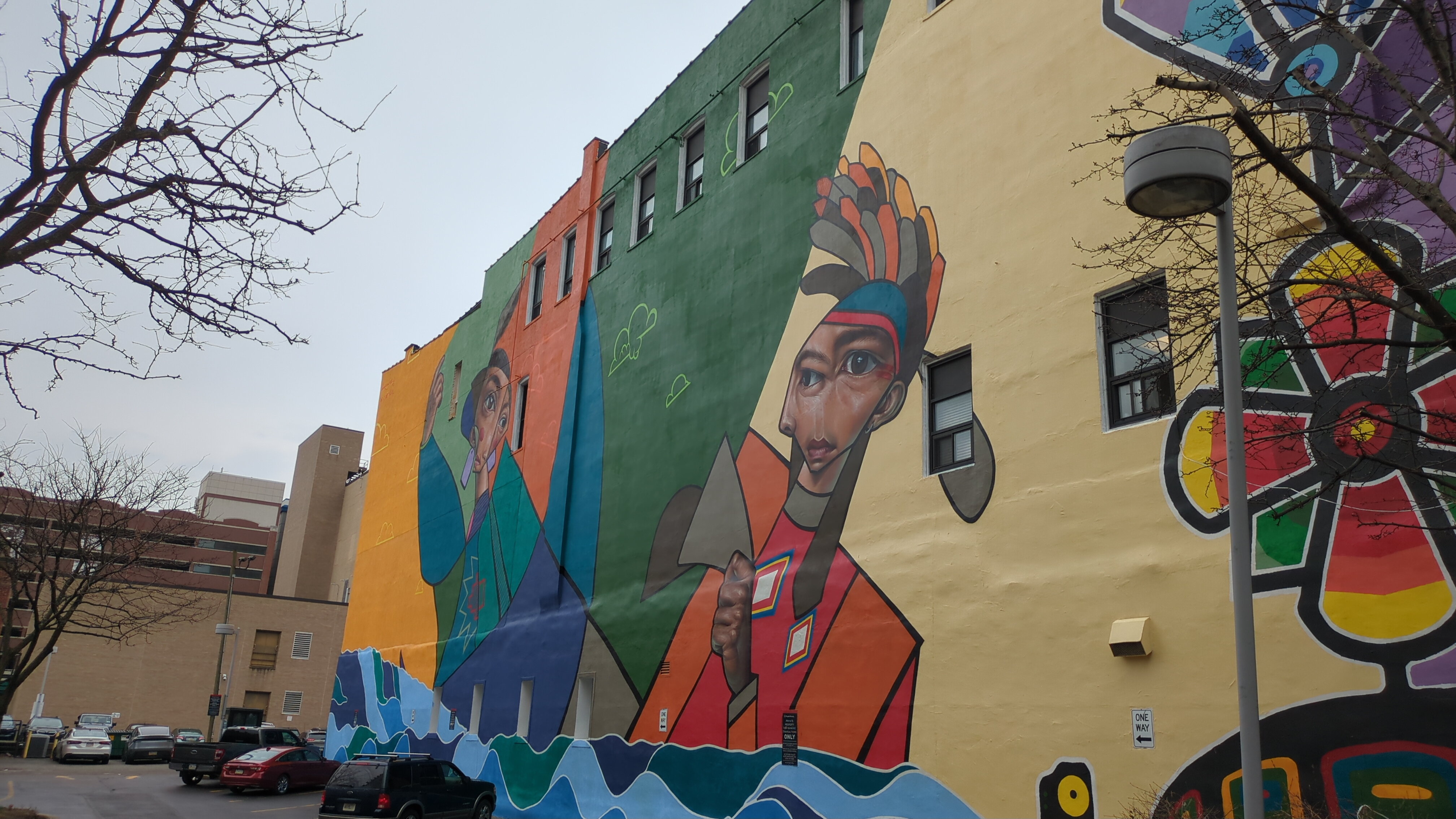
A few months ago, a friend of mine told me that I should visit Holy Protection Monastery of the Theotokos (aka Agia Skepi/Αγίας Σκέπης) if I’m ever in PA. It’s a Greek Orthodox women’s convent and is one of the 16 monastic communities founded by Elder Ephraim of Philotheou. Although I didn’t have an opportunity to stay for any of the services or go into any of the chapels, I did get to walk the grounds a little bit. It’s absolutely stunning and quiet there; I’ll have to return at some point on a weekend for a liturgy. I drove up to Scranton right after and grabbed coffee.
Day 2
I got to St. Tikhon’s early for their 7:40AM Hours and Divine Liturgy. Their choir is astonishing and we got to venerate all the holy relics in the church (including St. Ephraim, St. Alexis Toth, and St. John the Baptist!)
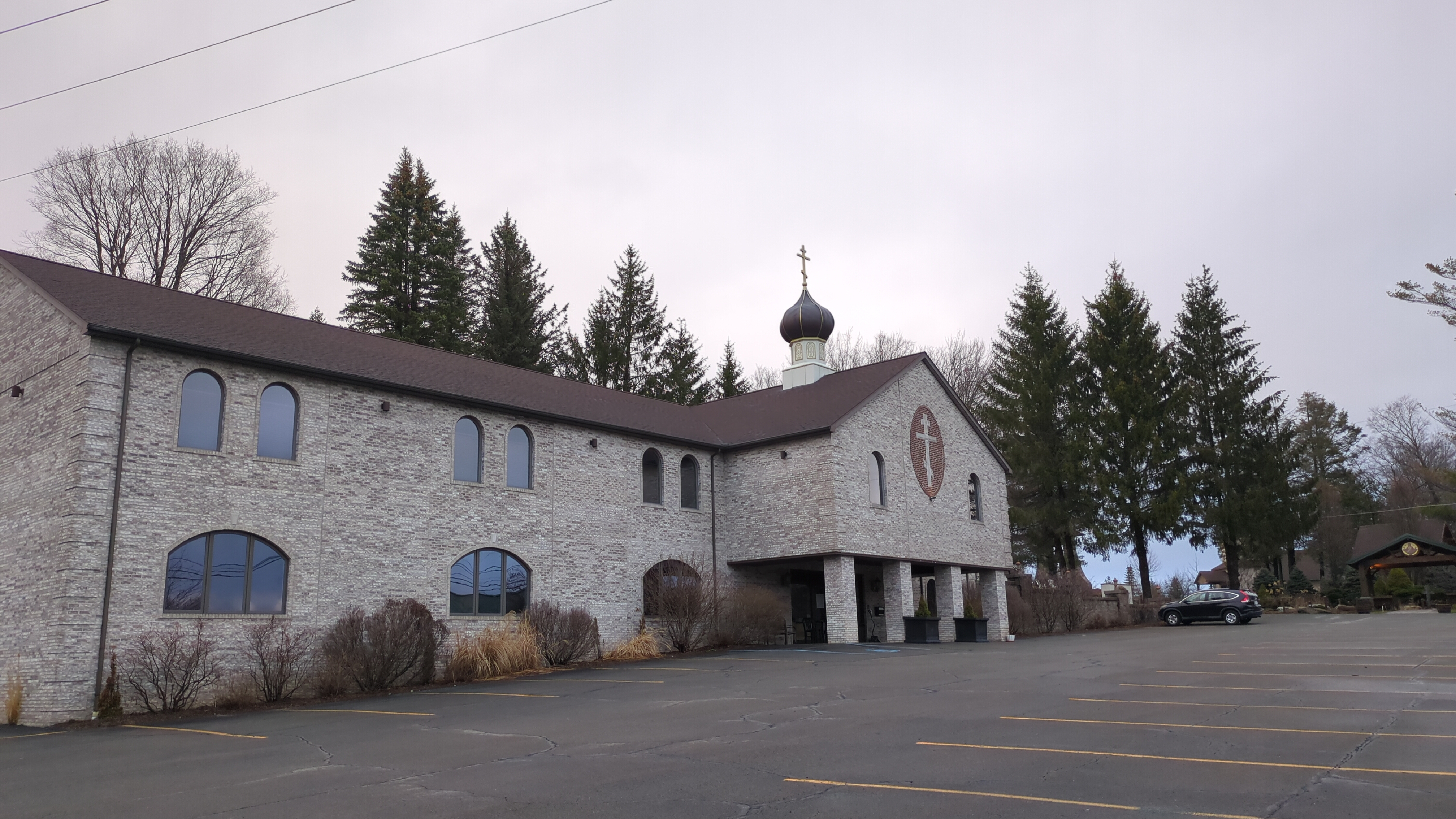
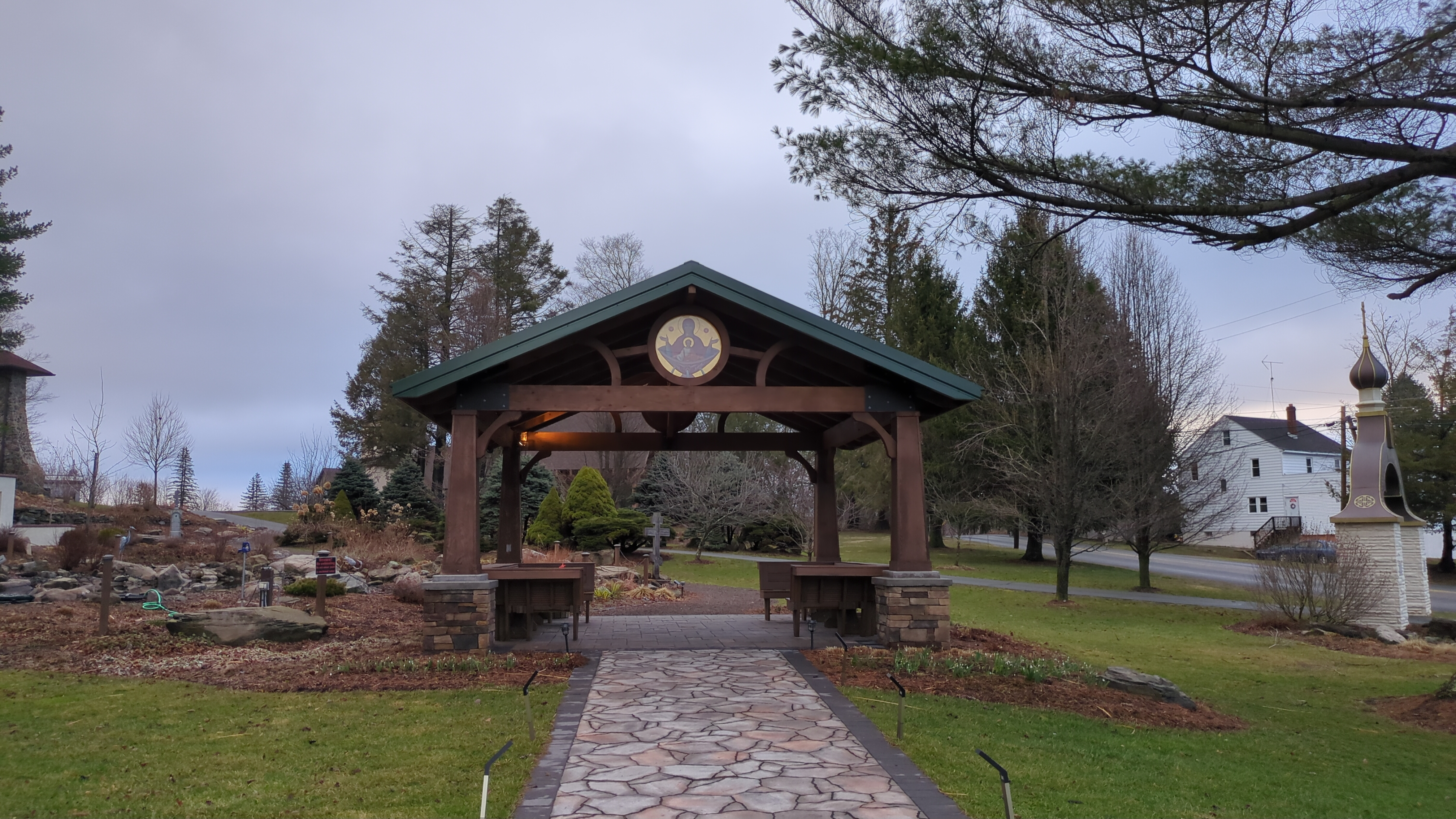
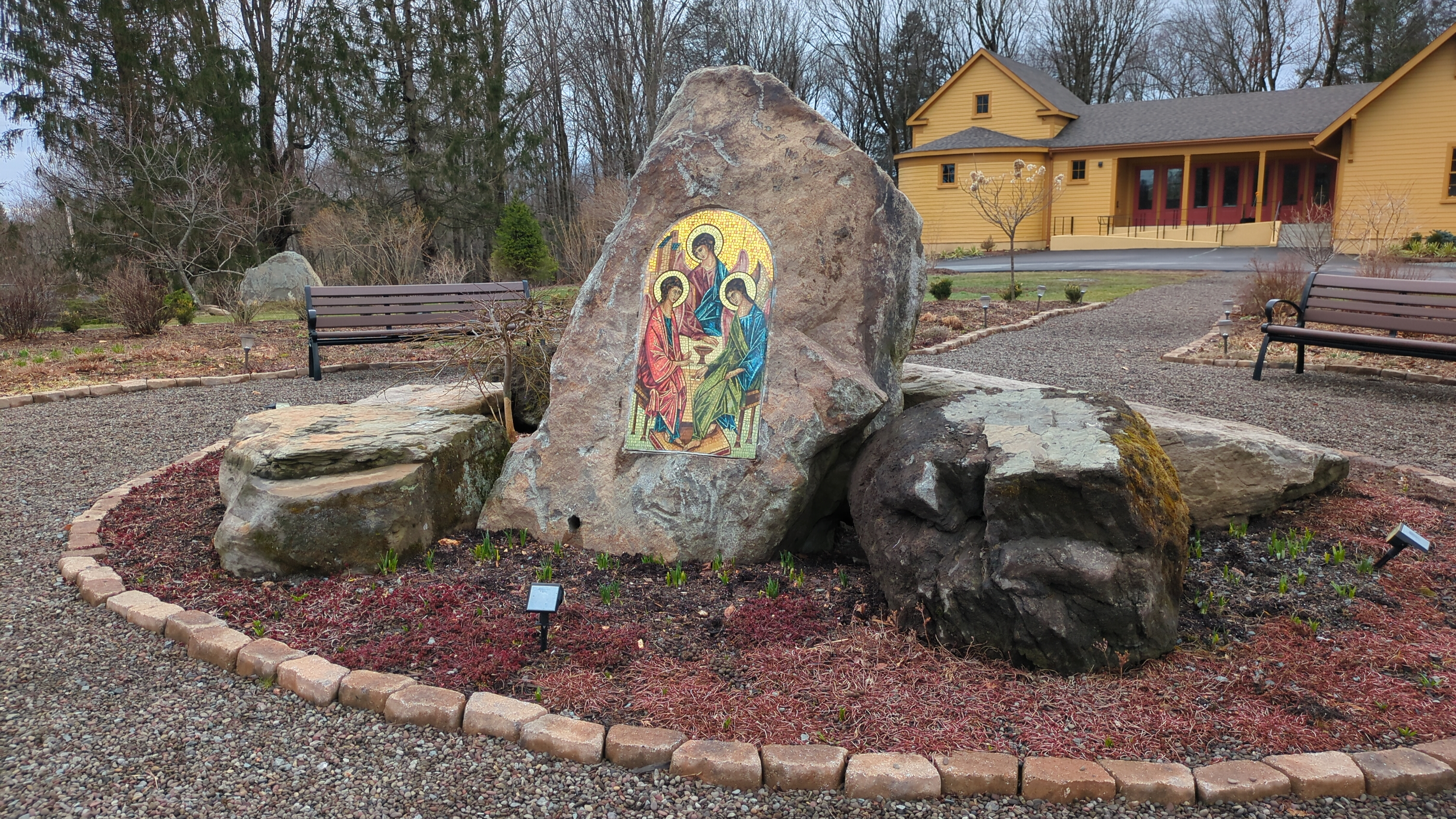
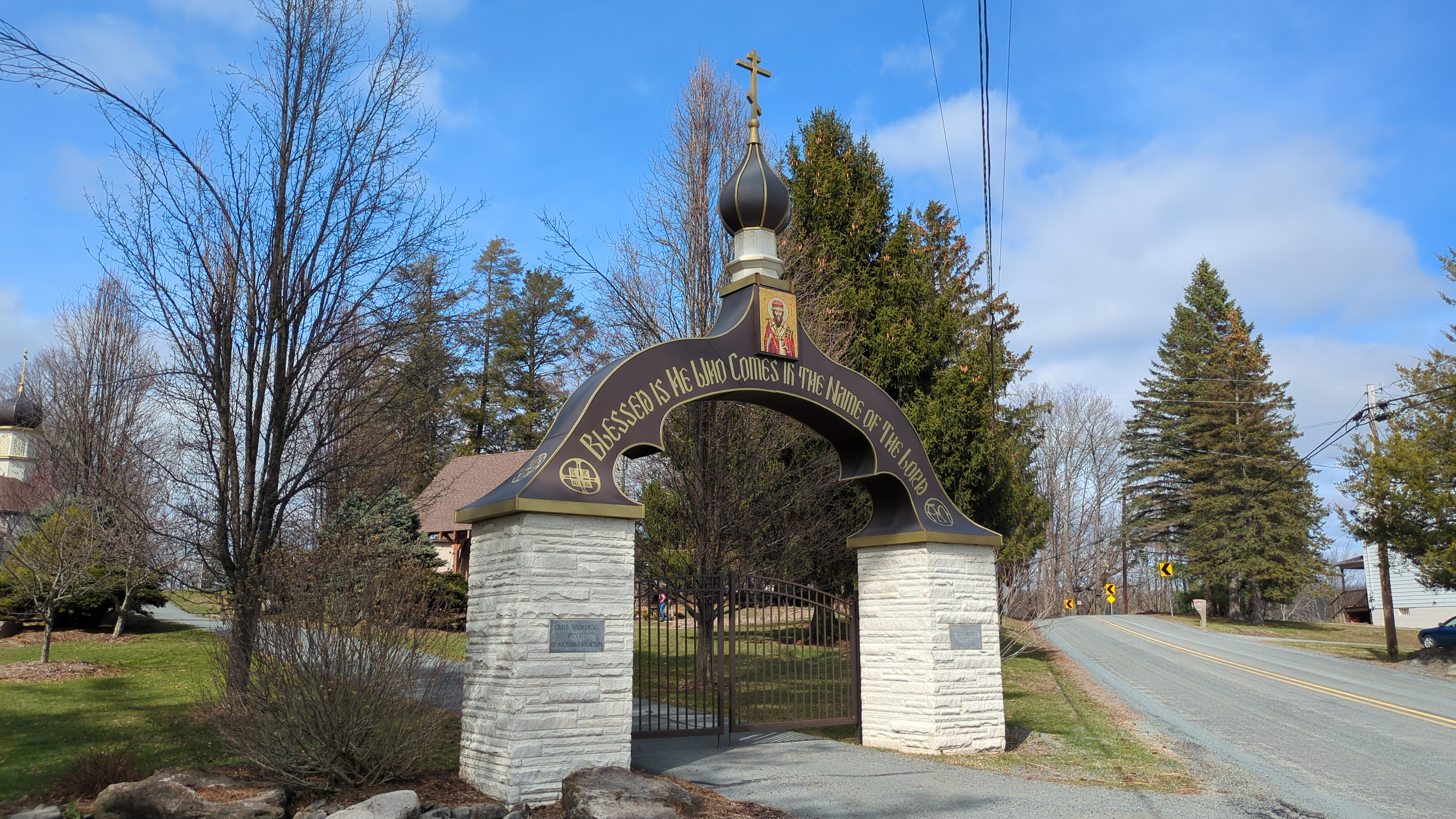
I didn’t take any photos of the inside of the church (it would have been inappropriate, and you can find photos online anyway), but I did take several of the grounds. After this we got together for breakfast and progressed into the first session in the museum with Fr. Sophrony. We talked about the 7/8 deadly passions according to St. John Cassian and he gave us so much wisdom. Here are some of the nuggets I jotted down:
Session 1
-
Be open at all times to the word that God gives you.
-
(About the above) St. Sophrony painted the icon of the last supper with Judas at the back, leaving because that is the moment when good will and openness are restored and Christ is free to speak.
-
Addiction might be a better English word than passion because of its connotation.
-
St. Paisios says, “I am in no state at all. I am learning about myself.”
-
You’re fasting. Be hungry! Since 1970 plates have gotten a lot bigger, just look at eBay!
-
The sign that you’ve eaten enough (not too much and not too little) is that you feel like praying!
-
Orthodox Christians know how to fast up to Pascha, but we don’t know how to feast in the Paschal season. The most frequent confession I hear after Pascha is overeating.
-
Successful people (Bill Gates, Jeff Bezos, &c.) are successful because they have one-track minds.
-
Tithe; give with pain of heart.
-
In Greek avarice (φιλάργυρος) is literaly “love of silver”, whereas unmercenary (ανάργυροι) is literally “without silver”.
-
Don’t surf the internet! Satan! *Click*
-
Anger is drunkenness. You’re not Jesus. You’re not St. Nicholas. Don’t go around flipping tables. Don’t go around hitting people.
-
Swearing and anger aren’t “new”, they were already a part of you and something scratched them out.
-
Biting a piece of fruit doesn’t sound so bad, but it changed the universe.
Session 2
-
The polyeleos-rank feast of the 40 martyrs of Sebaste is placed in Lent for a reason!
-
Do evening prayers after dinner, or even at the table.
-
“Render unto Caesar what is Caesar’s” includes the speed limit. You don’t have the right to speed.
-
St. David of Evia said to St. Iakavos of Evia, “the greatest sin of this age is depression.”
-
You’re disillusioned? Good! Why would it be good to be “illusioned”? It’s all about perspective: for example, the crucifixion is the best and worst thing to have ever happened.
-
St. Silouan says, “keep thy mind in hell and despair not” and St. Sophrony says, “thank God for everything despite your own worthiness.” These are the same word with a different articulation.
-
Getting around fasting through loopholes is the real phariseanism.
-
“Elder Ephraim really loved me. I know he didn’t know me, but he really loved me. I would have done anything he asked me.”
-
Elder Aimilianos said that, “the most important time in prayer is the silence between words.” This is when God is heard.
-
Unlearn overriding your conscience.
-
Fr. Chrysostomos tells the story of how when he passed a monk’s hut he smelled cooked meat. He entered into the hut and asked the monk what he was cooking. The monk protested and showed that he was actually cooking leeks. As he said this meat fell out of one of the leeks, which had been craftily hollowed out to fit the meat inside. Ashamed and horrified, the monk then made excuses for himself by saying, “it was the devil who made me do it!” A disembodied voice far off in the distance responded, “no it wasn’t! I’ve never seen meat cooked that way!”
-
People treat monasteries like zoos! They look at the monks and say, “look the monks are eating!”
After lunch and finishing our second session, we broke into groups to tour the seminary, icon studio, bookstore, &c. They have the relics of St. Nicholai Velimirović in the seminary and I had the blessing of venerating them.
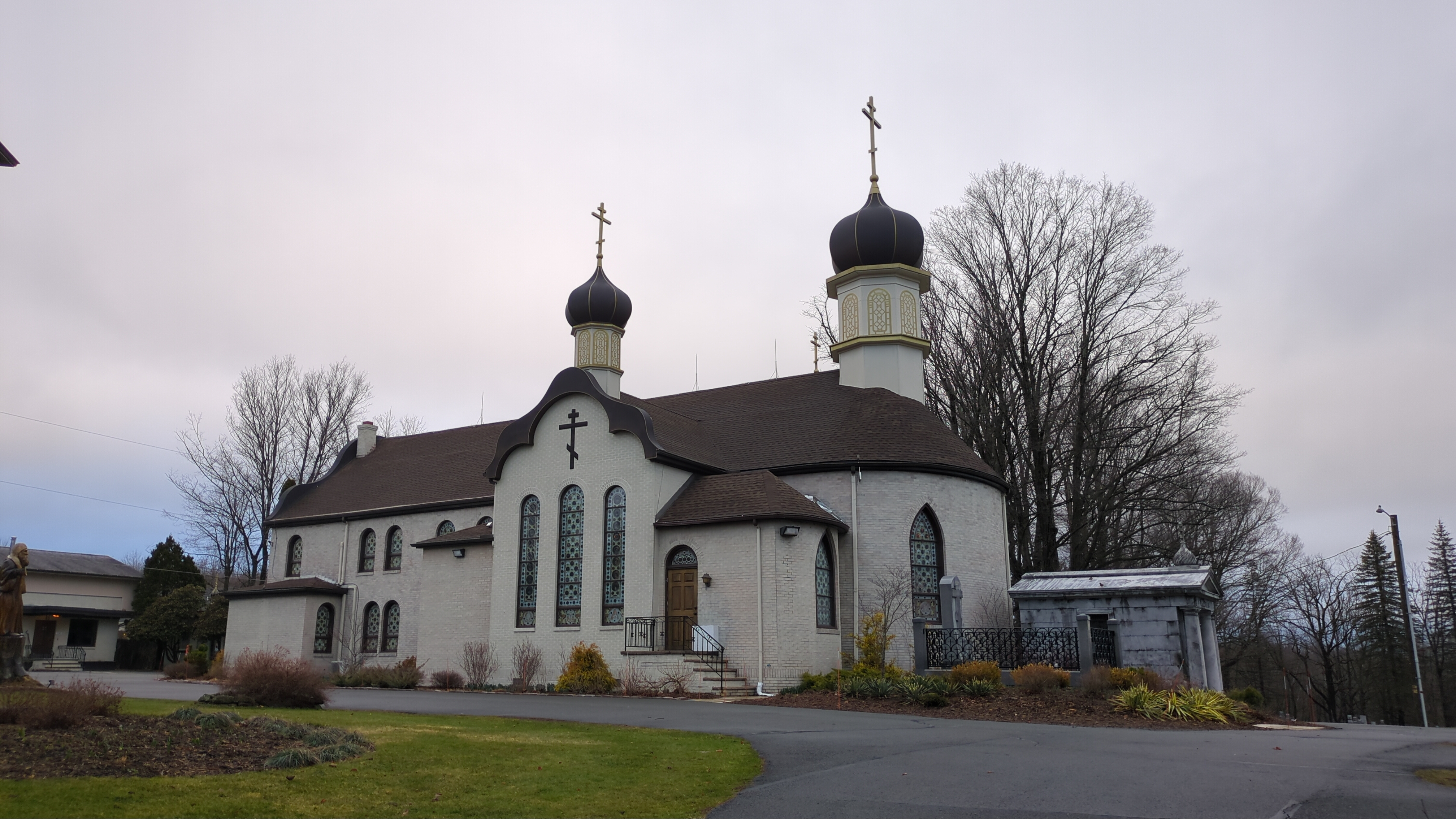
Me and a group of guys I met at the retreat sauntered around the monastery grounds. There’s a well blessed by St. Tikhon that is a constant source of holy water. The grounds are also populated with countless beautiful mosaics and wood carvings.
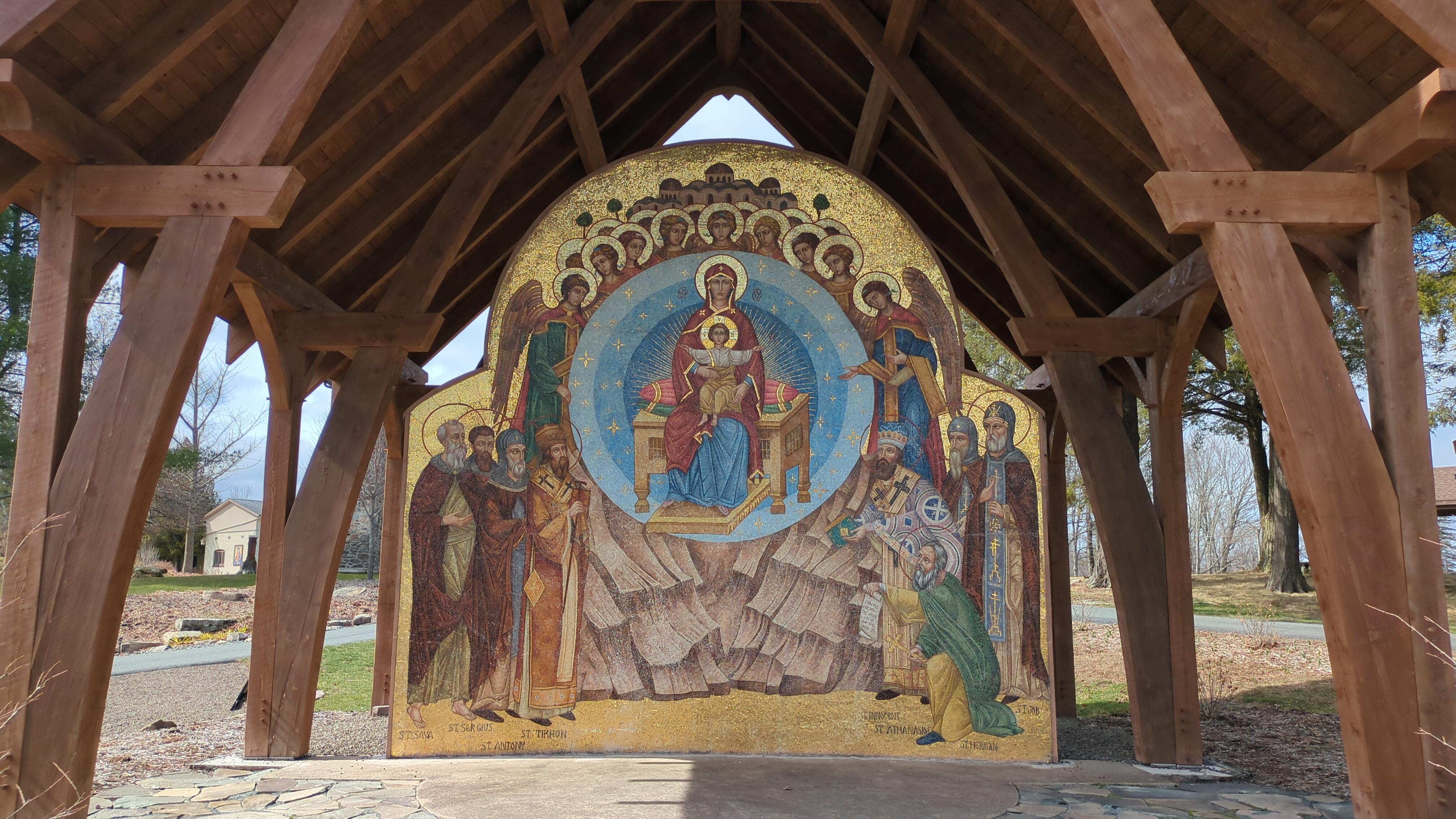
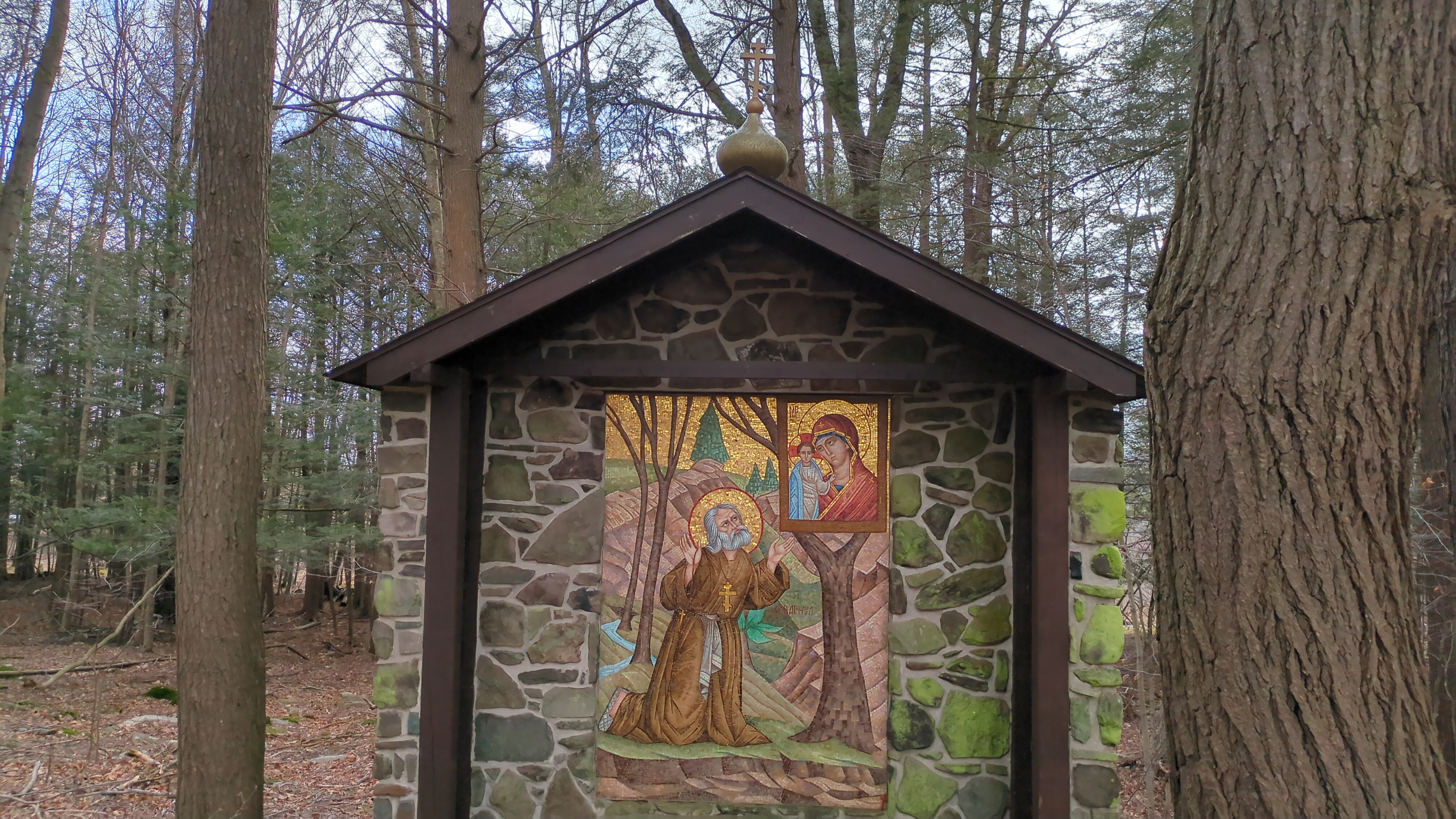
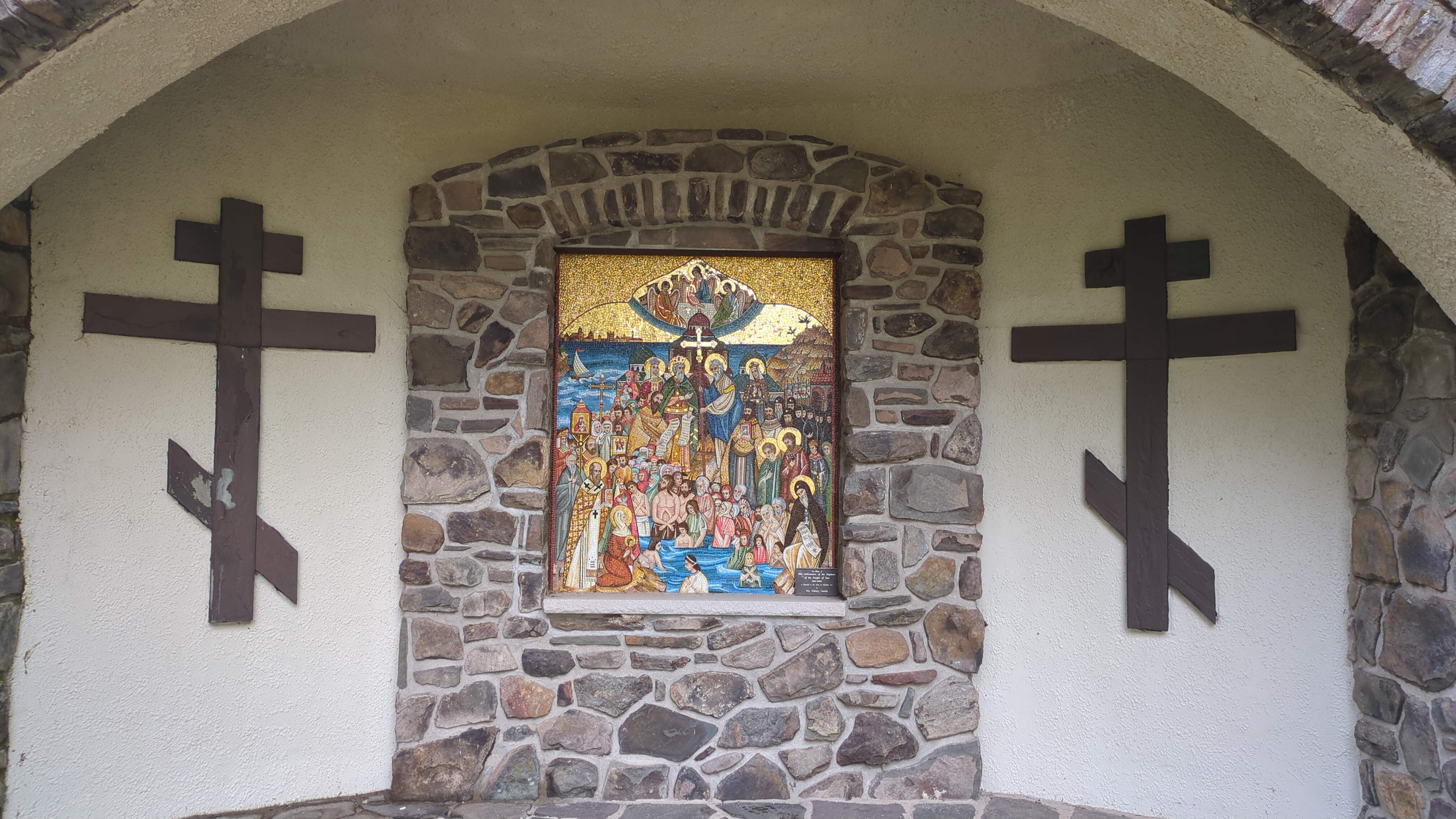
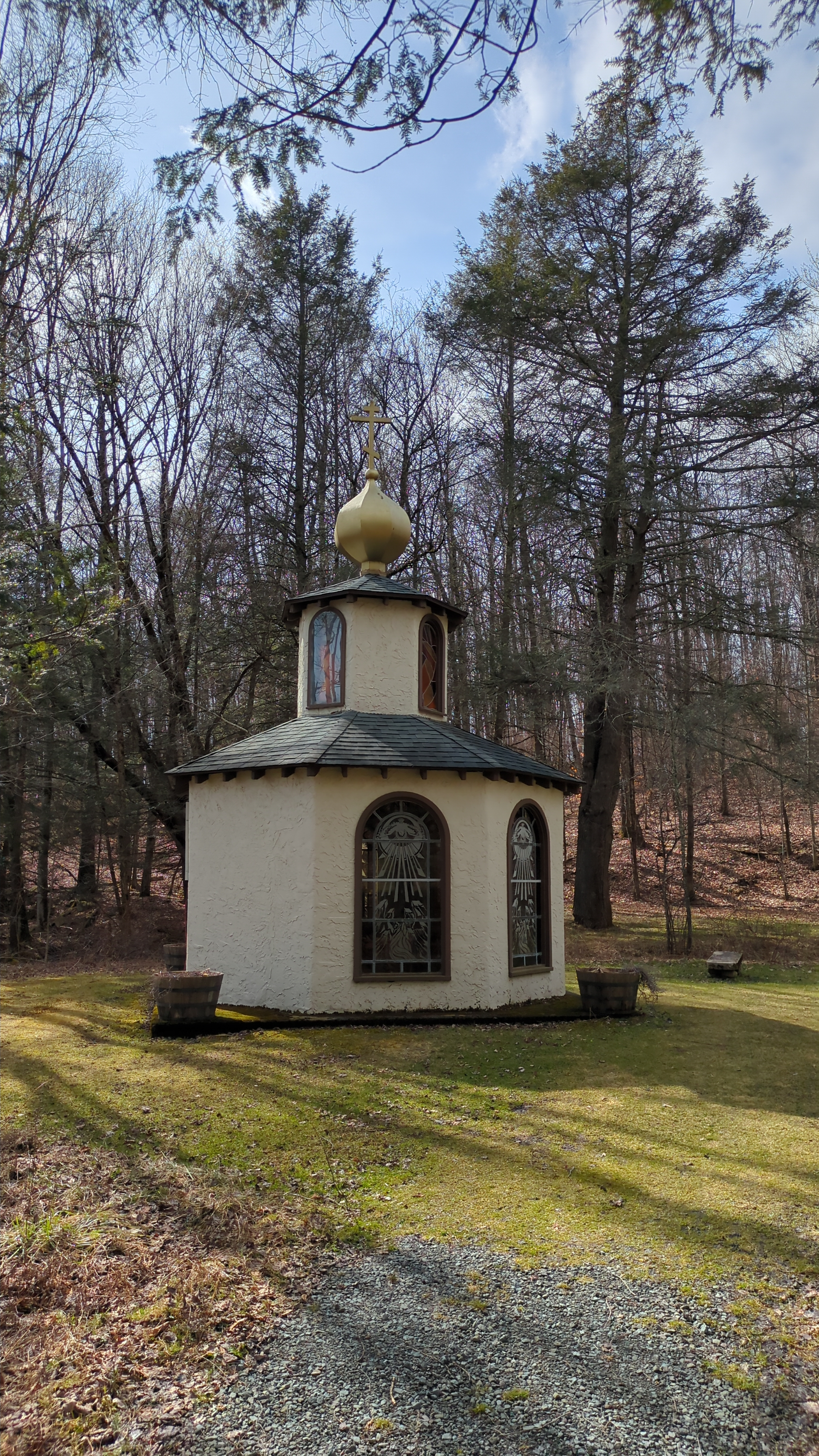
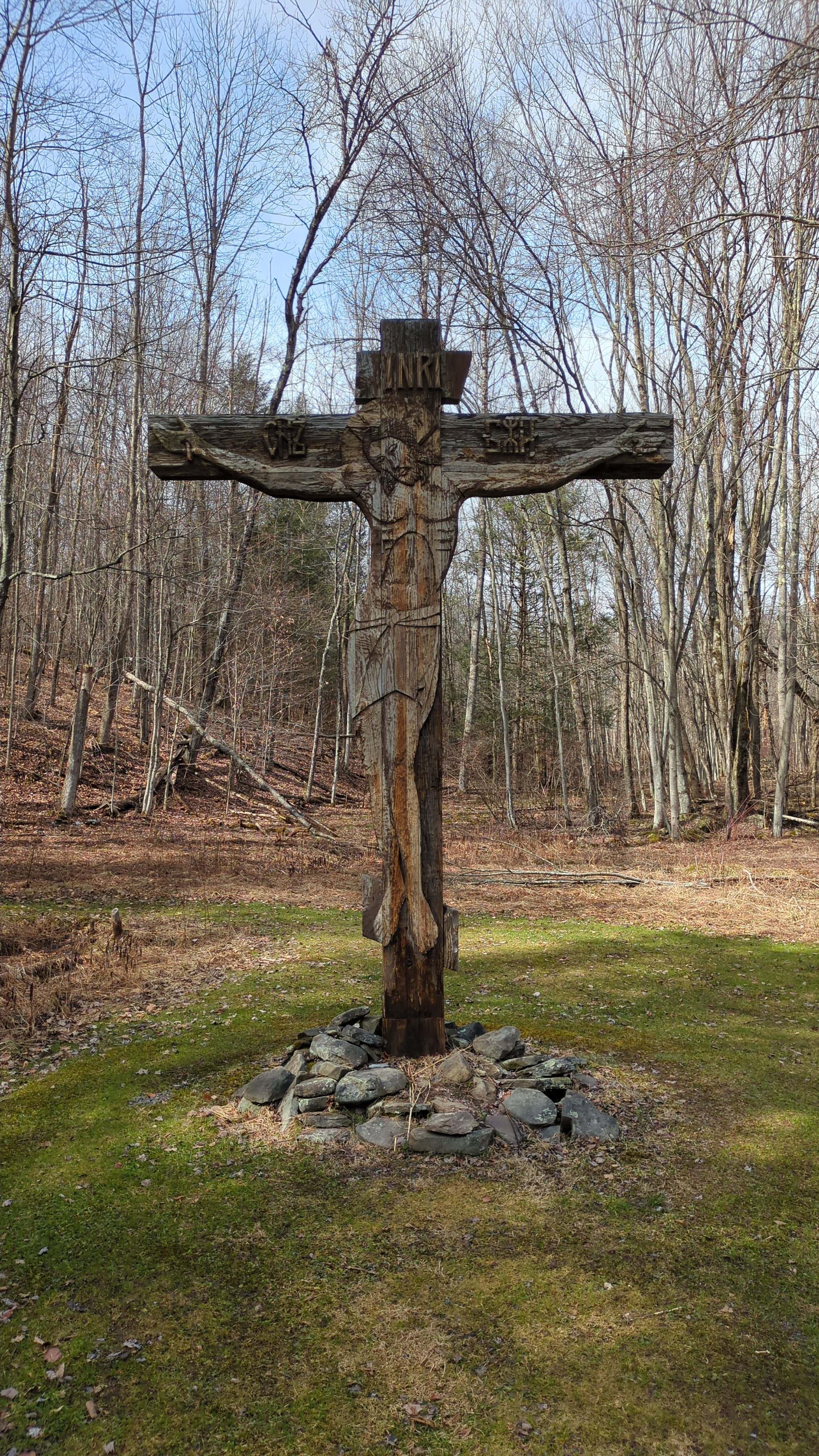
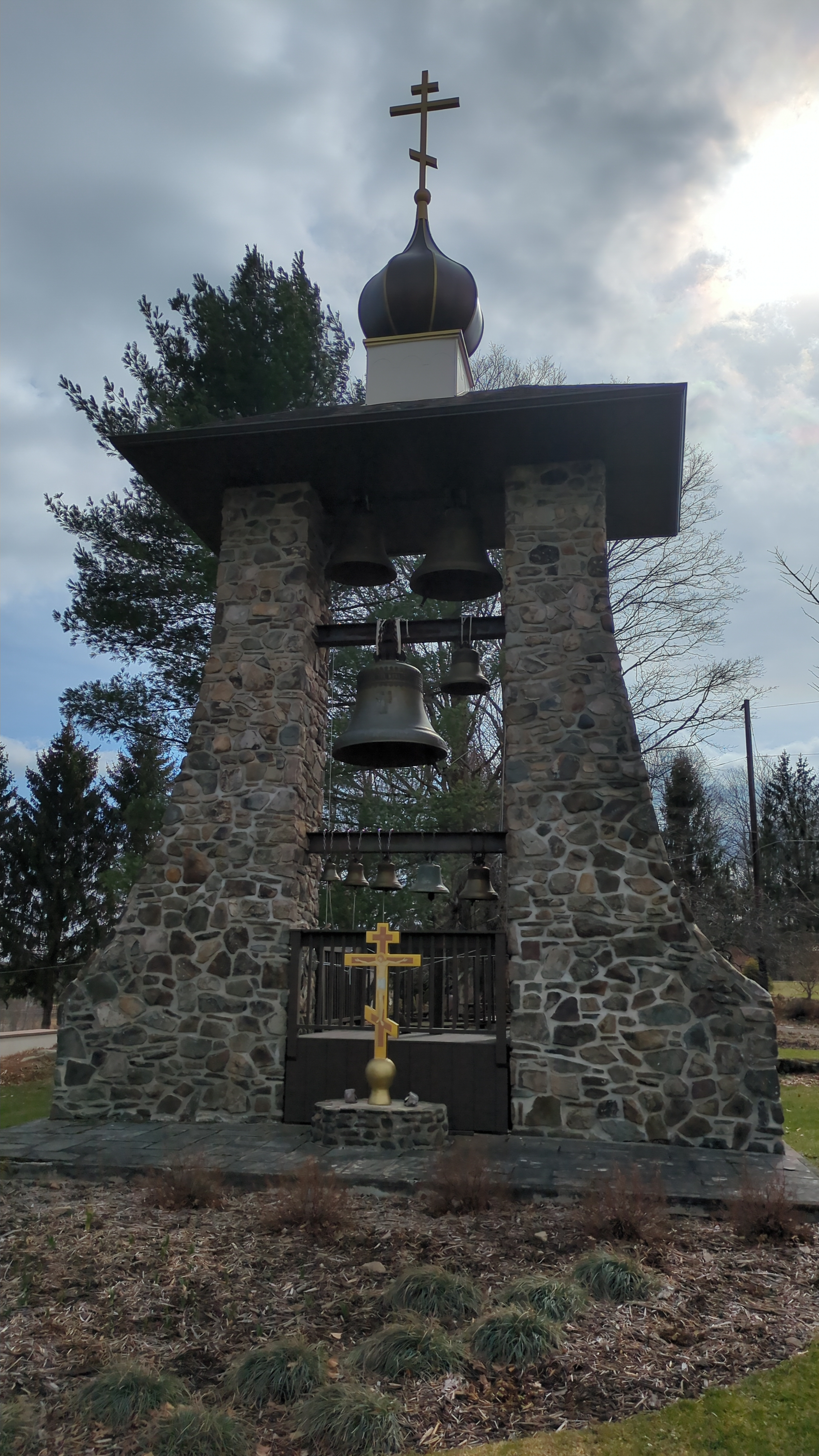
We reconvened for vigil and dinner at 4:00PM.
Day 3
Before leaving for home I stayed for Hours and Liturgy at St. Tikhon’s. The Sunday service was even more beautiful than yesterday’s and the confession line continued all the way out the narthex! This monastery has a great spirit to it, you have to visit. After a brief coffee hour and a second round of bookstore raiding I headed home, and the drive was—thank God—very uneventful.